
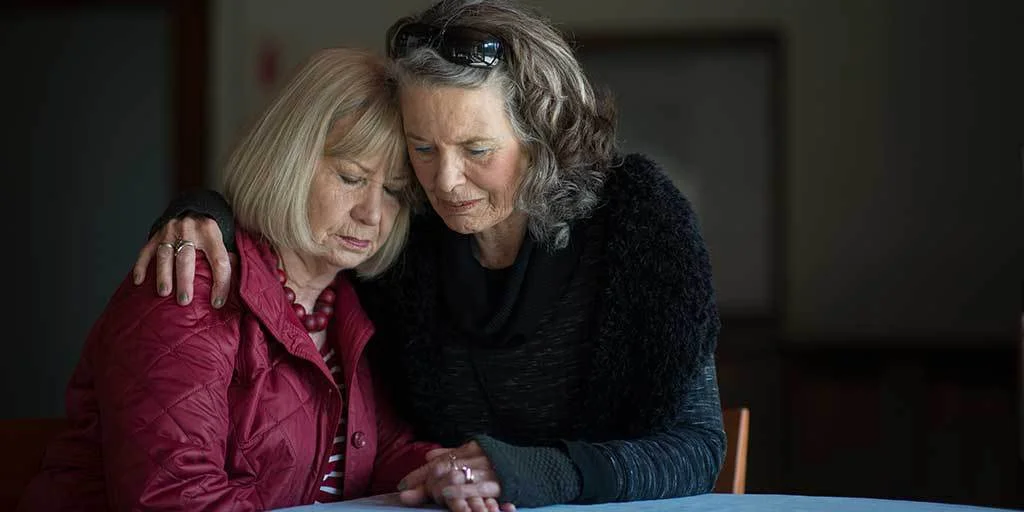
Everyone experiences grief at one point or another. Unfortunately, when we lose someone, time is the only thing that can ease our sadness. That being said, we can always offer a helping hand to a friend or relative who has recently lost someone.
Throughout our lives, we grieve the loss of friendships, romantic relationships, pets, and even jobs, but nothing hits harder than losing someone you love. If you would like to help someone who is grieving, it’s important to begin by acknowledging that everyone is different. We each have our own individual experience of grief that is unique to us. We all handle things differently, and grief could have all sorts of unexpected effects on our body and mind.
When you know what to expect, it can make it easier to help someone out of a dark place. Which is why getting to know the grieving process is a good place to start.
Understanding Grief
Grief is unfortunately something that many of us will go through in our lifetimes. While that’s a daunting thought, it can also help to know that we’re not alone. Those who have been through grief before can even help us to understand what we or our loved ones can expect, and offer support and advice.
There are even some popular frameworks to help us navigate our grief. Because even though we all grieve in our own way, there are some stages in the grieving process that can be very common.
The 5 stages of grief are thought to be:
1. Denial
While this may sound as though the bereaved won’t accept that their loved one has died, it’s not always that simple. It’s common to feel numb after a loss, and to have difficulty wrapping your head around the idea that someone will no longer be around. Denial could mean a refusal to face that their loved one has passed, but it could also be a refusal to acknowledge that life will be different, or even refusal to admit that they are grieving.
2. Anger
Loss can feel very unfair, so it’s more than natural to feel angry. Whether this anger is aimed at themselves, life in general, or another person will depend on the bereaved and their circumstances. It’s also very common to feel angry at the person who has passed, and this can be an uncomfortable feeling in itself.
3. Bargaining
The bargaining stage can present in different. We might decide that changes in our behaviour will help us through our grief faster, or simply spend a lot of time wishing things had turned out differently. For those of us who are religious, it can also be common to make promises to ourselves or God, in whatever faith we practice.
4. Depression
For those who haven’t yet experienced grief, or who are watching a loved one go through it, depression may be the easiest stage to understand. Sadness and heartbreak are the emotions we most often associate with loss, after all. The intensity of this sadness can feel scary both to the bereaved and those who care about them. It is, however, natural, and it may come and go over time.
5. Acceptance
Grief is not a straight path, and some of us may never truly move on from our loss. With time, however, many of us will learn how to live with it and go on as our loved one would have wanted us to.
Grief can be complicated, and the journey won’t always look the same. Not everyone will experience all of these stages, and they might not even happen in this particular order. However, these are all things that are typically experienced at one point or another throughout the grieving process.
The 3 C’s of Grief
The idea of grief being a journey with 5 stages is quite well known. However, there’s a similar and more concise concept that can help you understand how grief works. This is called the The 3 C’s of Grief, and according to The Loss Foundation, it includes:
- Challenge
- Change
- Connection
Challenge refers to the initial upheaval of loss. This can be a turbulent time, with emotions higher than ever, and stress impacting our bodies and minds. After a loss, we can also feel challenged by a lot of big questions about mortality and our own beliefs.
Change refers to the process of actually accepting that this loss has happened. Life will look different now, and that can be incredibly difficult to wrap our heads around. Big life changes like this can feel overwhelming, however they can often teach us things about ourselves and show us how resilient we can be.
Connection refers to the support that we rely on to get us through our grief. Depending on what the bereaved needs, this could come from loved ones, grief support groups, or professionals such as counsellors. Connection can also be about finding yourself again after a loss or finding ways to feel close to the person who has passed.
What else might someone experience while grieving?
Grief doesn’t just affect us mentally, it could also have physical effects on our body. Let’s look at some common physical and mental symptoms of grief…
Physical: loss of appetite, headaches, aches and pains, fatigue, crying, nausea.
Mental: crying, difficulty sleeping, feelings of detachment, depression, isolation from family and friends, abnormal behaviour, anxiety, frustration, worry, guilt, anger, stress, questioning of spiritual beliefs, questioning the purpose of life.
How can I explain loss to a child?
Death is something that many of us struggle to wrap our heads around. When a child is faced with loss, it can feel even more difficult to explain death and grief to someone so young. But children rely on the adults around them to help them understand the world, so it can be best to approach the topic sensitively but honestly. For example, you could:
- Tell them what death means physically; our heart stops beating, our brain stops working, and only our body is left behind.
- Discuss any spiritual or religious beliefs held by the child or their family, for example the afterlife.
- Reassure them that the person who has died is at peace, and no longer feels pain or sadness, though it can feel very sad to those they left behind.
- Listen to them, and acknowledge their thoughts and feelings about their loss.
It can also be a good idea to let them know they can ask questions. This can help them to shape their understanding of death, and also help you to see if they’re following your explanations. If you’re worried about what they might ask, Child Bereavement UK has a list of common questions and suggested answers.
What can I do to help someone who is grieving?
Reach out
Grief can leave us feeling scared and lonely. The first thing you should do to help someone who is grieving is to let them know that you’re there for them. Don’t be concerned about saying or doing the wrong thing as overthinking this can sometimes prevent us from reaching out. It doesn’t matter if it’s a phone call, text, email, even a letter. It doesn’t matter how you reach out, just make sure you do so that the bereaved person doesn't feel alone or isolated.
Lend an ear
It pains us to see someone we care about in a state of grief and we might feel it’s our duty to offer them our advice. But it could be challenging to offer advice when we don’t really know what someone is going through. So, instead of offering advice, it’s more important that you listen - but only if the bereaved wants to talk. Yes, talking could help us come to terms with loss but you shouldn’t pressure someone to open up either.
Help out in practical ways
When we are grieving, it might become harder to take care of day-to-day tasks. Our energy can be quite low, so even a small task like emptying the dishwasher or cooking dinner could be overwhelming. Offer to help in practical ways like picking up the weekly shop, dropping in with some ready-made meals or if it’s someone very close to you, you could even help them get their house in order.
Accept that it will take time
There is no way to say how long grief will last, or how long it could take someone to get over their loss. Be patient and allow as much time as your loved one needs. Even if you feel frustrated and powerless, don’t pressure them to get over it faster than what is natural for them.
Share similar stories
If you’ve also lost someone close to you in the past, don’t hesitate to talk about that. It could give the bereaved hope that people can get through periods of grief, even if it feels as though they never will. It could be a reminder that they will experience happiness again with time.
Offer to accompany the bereaved while they sign the death certificate
A bereaved person may have to sign a death certificate. This task can be tough on someone who is grieving. You could offer to go along with them for support. It could also be a good idea to make time for a walk and a chat afterwards to allow the bereaved time to clear their head.
What not to do when someone is grieving
- Don’t avoid acknowledging the situation. Acknowledge their loss and then express concern by saying you’re sorry that this has happened to them. If you’re unsure if the bereaved is feeling up to talking about their loss, you could start by asking something like ‘How are you feeling about [the deceased]?’.
- Cooking for the bereaved is a lovely gesture but be aware that grief could cause a significantly decreased appetite. Smaller, easy to eat meals might be a better option. You can even drop up small nibbles if the bereaved doesn’t feel up to eating.
- Try to avoid saying things like ‘stop crying’ or ‘don’t cry’, even if it’s said in a nice way. Telling someone to stop crying could seem as though you’re shutting them down. If someone is crying, it’s ok to sit there silently. You can even give them a hug or hold their hand to reassure them. Crying can ease feelings of distress and regulate emotions. There’s truth to the expression ‘let it all out’.
- Don’t be afraid to talk about yourself or make the bereaved laugh. Once you’ve checked in with them, you could open up and tell them about your day. It might be a nice break for them to hear about someone else’s life. Laughter is the best medicine, after all, so don’t be afraid to make jokes or be silly around the bereaved. Just be sure to choose an appropriate time and if you get a sullen response, that’s ok too. The bereaved might not be in a chatty mood but that doesn't mean they don’t appreciate the effort you’re making to cheer them up.
The do’s and don’t of supporting someone through grief
Loss is such a heavy burden that it can feel impossible to know what to say, or what not to say, but there are some generally agreed on do’s and do not’s around grief.
Don’t avoid acknowledging the situation. Acknowledge their loss and then express concern by saying you’re sorry that this has happened to them.
Do ask if they want to talk. If you’re unsure if the bereaved is feeling up to discussing their loss, you could start by asking something like ‘How are you feeling about [the deceased]?’.
Don’t brush aside their sadness. Even if it’s said in a nice way, telling someone to stop crying could seem as though you’re shutting them down. If someone is crying, it’s okay to sit there silently. You can even give them a hug or hold their hand to reassure them. Crying can ease feelings of distress and regulate emotions. There’s truth to the expression ‘let it all out’.
Do show you care with small gestures. Cooking for the bereaved can be very thoughtful but be aware that grief could cause a significantly decreased appetite. Smaller, easy to eat meals might be a better option. You can even drop up small nibbles if the bereaved doesn’t feel up to eating.
Don’t be afraid to talk about yourself or make the bereaved laugh. Once you’ve checked in with them, you could open up and tell them about your day. It might be a nice break for them to hear about someone else’s life. Laughter is the best medicine, after all, so don’t be afraid to make jokes or be silly around the bereaved. Just be sure to choose an appropriate time and if you get a sullen response, that’s okay too. The bereaved might not be in a chatty mood but that doesn't mean they don’t appreciate the effort you’re making to cheer them up.
Do what you can
At British Seniors, we’ve helped thousands of Brits financially prepare for their death and so, we understand the stress and sadness that those left behind must face. When helping someone who is grieving, be aware that you can only do so much. It’s all about being a supportive, comforting presence for this person. Do what you can and don’t push yourself too hard. You can’t make someone's pain go away, all you can do is to try to make things easier for them.